From September 2 to 4, 2026, Tilal Utique hosted an extraordinary artistic and human encounter: Artivist Shield – Creative Resistance Hub, organized by the international Afghan collective ArtLords, in partnership with Tilal Utique and the Kamel Lazaar Foundation.
For three days and two nights, 21 Tunisian artists, designers, musicians, journalists, cultural workers, community organizers and emerging creatives came together with Afghan artists and activists, accompanied in particular by independent American journalist Lauren Bohn.
The gathering was much more than a workshop. Its ambition was to lay the foundations for an international network of artists and creative activists, building on a dynamic that ArtLords has already developed in more than twenty countries.
ArtLords: Painting on the Walls of War
Founded in Kabul in 2014 by Omaid Sharifi and Kabir Mokamel, ArtLords emerged from a simple but powerful idea: turning the walls of war into spaces for dialogue.
In a city marked by blast walls — huge concrete barriers erected to protect people from attacks — artists chose to transform these structures into something else: spaces for confronting fear, violence, corruption and silence.
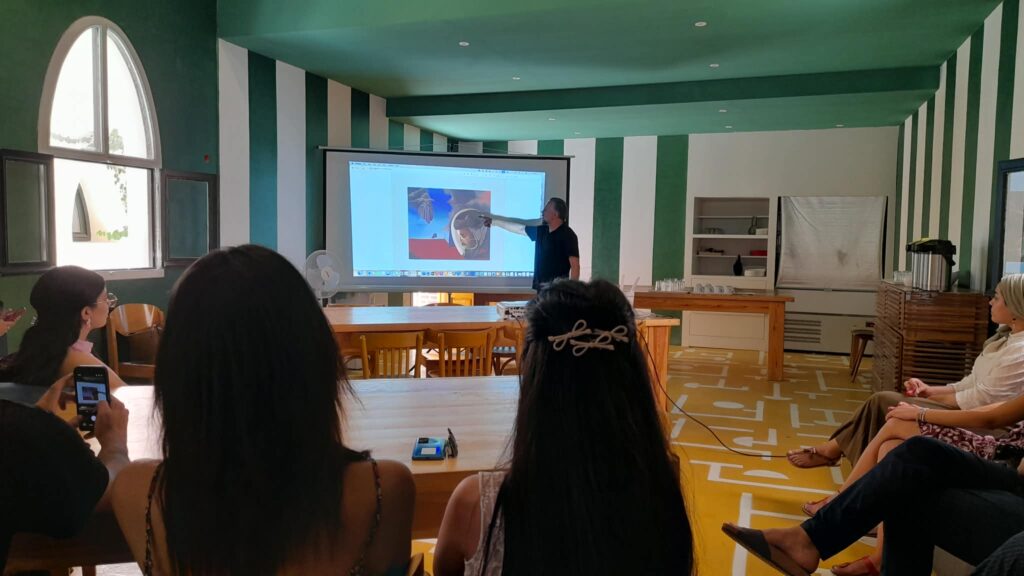
Their murals became a form of public language. They addressed corruption, women’s rights, grief and the wounds of a society shaped by decades of conflict. The Artivist Shield programme also recounts how the movement had to rebuild itself after August 2021, including through exile, eventually developing its work across more than twenty countries.
Even the name ArtLords is an ironic reference to the warlords who have played such a devastating role in Afghanistan’s contemporary history.
Following the Taliban’s return to power, however, the space for artistic expression and freedom of expression has dramatically narrowed. Many artists have left the country, while those who continue to create and resist face considerable risks.
Among them is Kabir Mokamel, ArtLords co-founder and Creative Director, who was present in Tilal Utique. An internationally recognized artist, he has worked for more than three decades across painting, murals, graphic design and street art.
From the Individual Body to the Collective Body
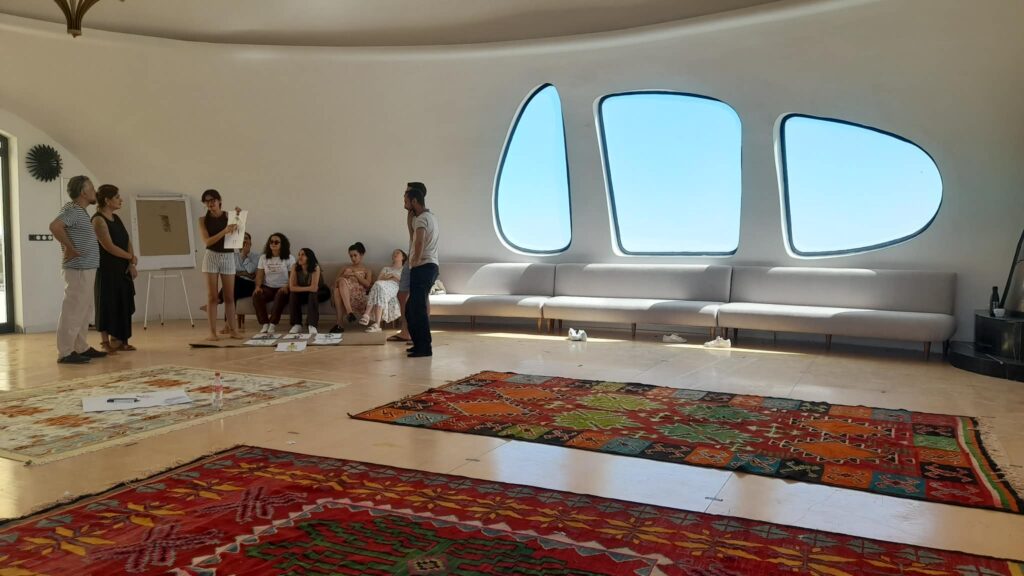
The second day took participants into a particularly powerful experience: body mapping, led by Dr. Lima Halima Khalil together with Kabir Mokamel.
The method begins with the individual body. Participants are invited to represent emotions, experiences and trauma on a body outline, making visible things that are often difficult to express in words.
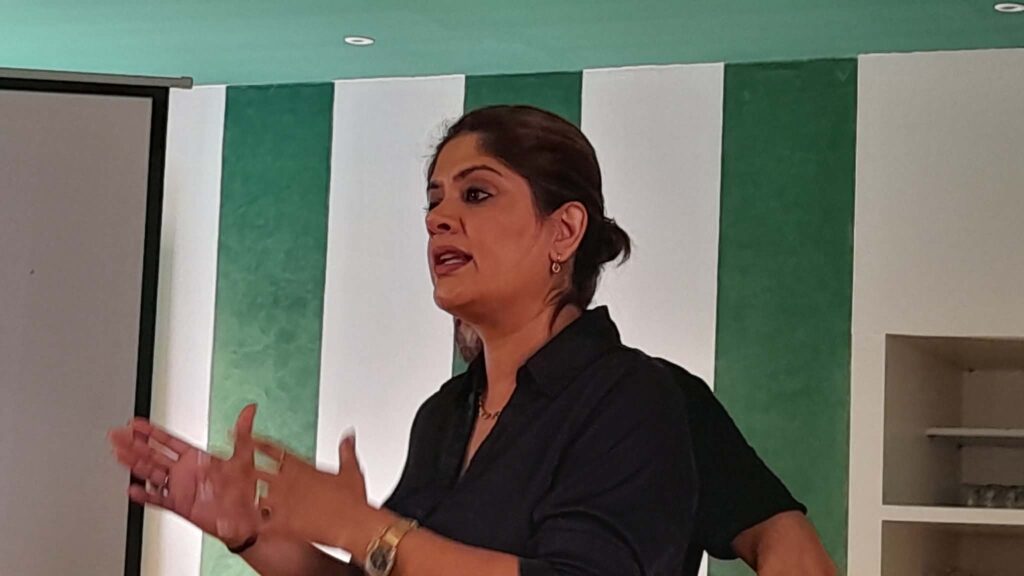
The process then moves toward the collective body. The body becomes a community, a city, a country, a social and political landscape.
Finally, it returns to the individual as a life story shaped by childhood, present realities, fears and future aspirations.
It was an intensely emotional process, allowing participants to reflect not only on their personal wounds, but also on the collective traumas carried by their societies.
When Words Become Images
Afghan-American calligrapher and contemporary artist Sulieman Ahmad Hedayat then explored the power of letters, signs and symbols.
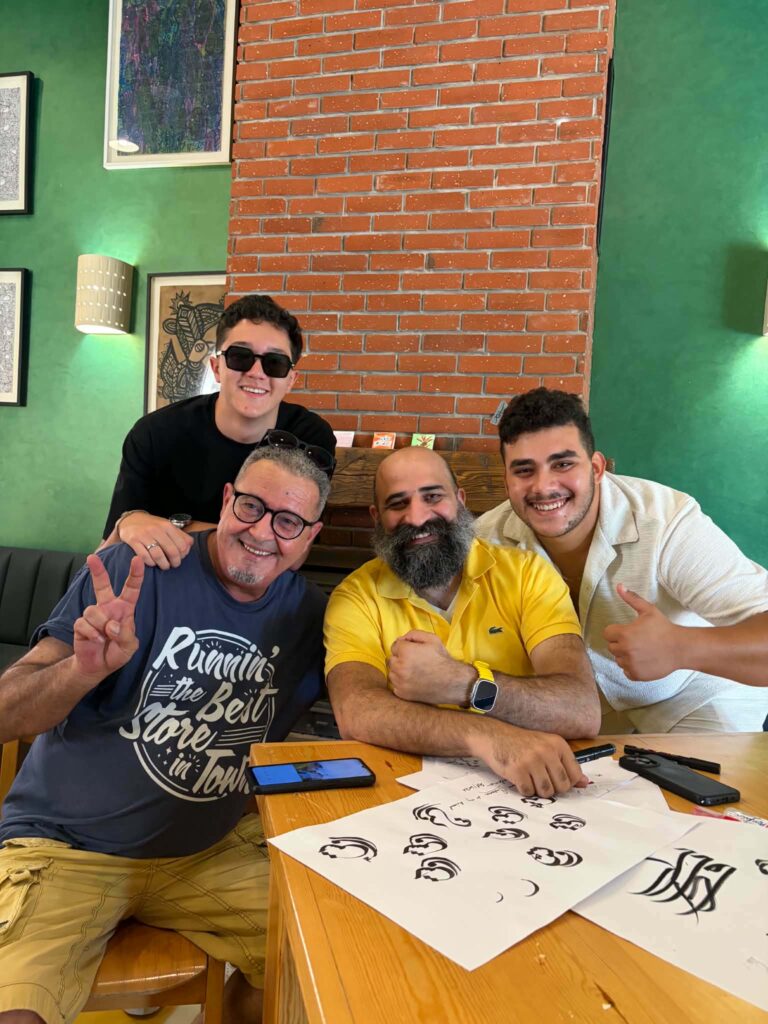
Drawing on Kufic, Naskh, Maghrebi and Nastaliq calligraphic traditions, participants experimented with transforming a word into a symbol, a pattern and ultimately a visual language.
The purpose was also to understand how art can communicate what cannot always be said openly.
This connects directly to ArtLords’ experience: using colour, motifs, negative space and cultural references to bypass censorship while continuing to reach ordinary people.
Painting Together: Turning Experience into Art
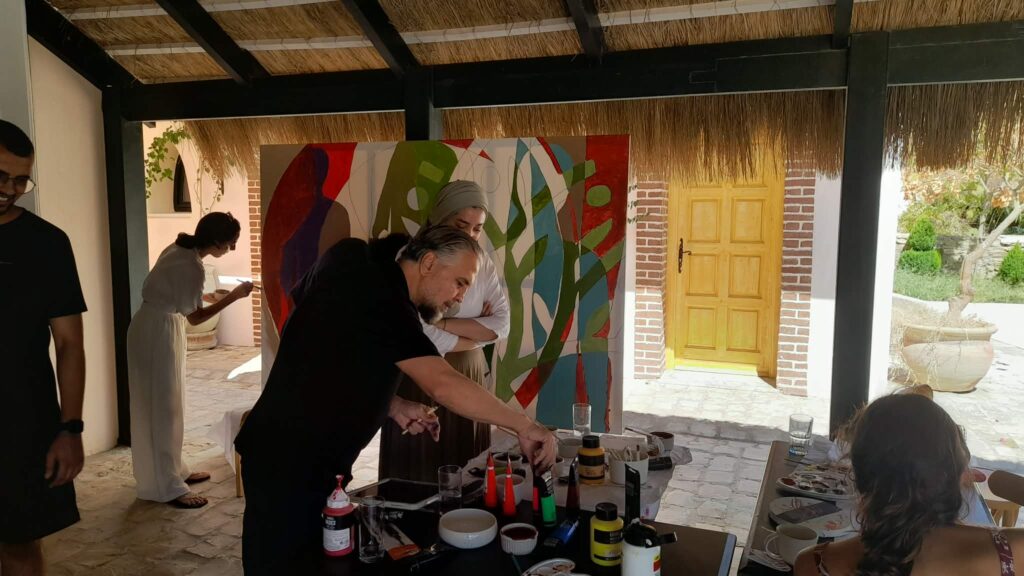
The reflection eventually became a physical work.
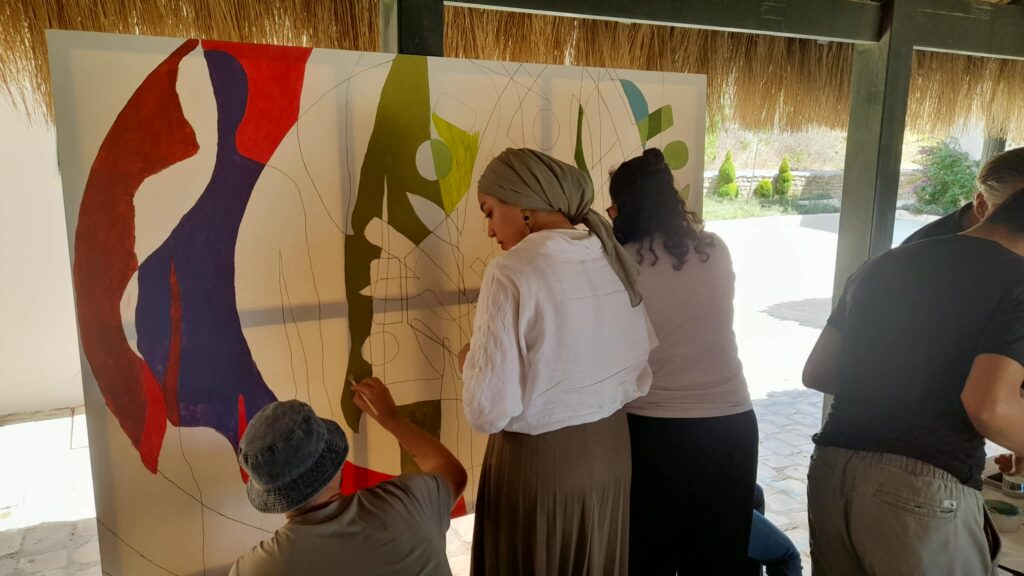
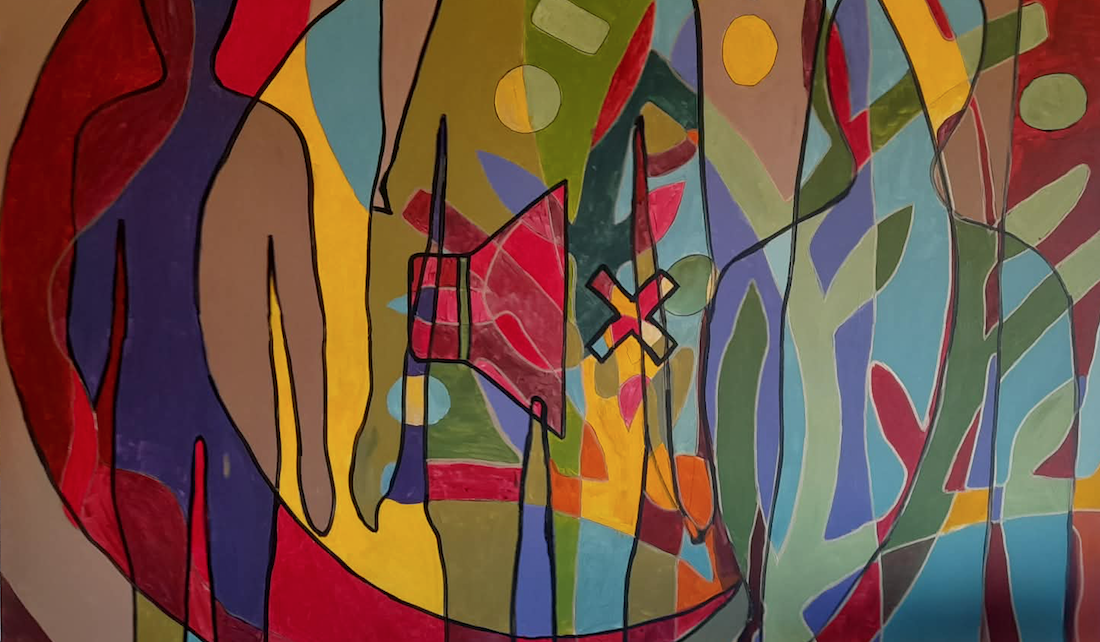
On the afternoon of September 3, Afghan and Tunisian artists began creating a collective mural, deliberately leaving it unfinished overnight.
The following morning, they returned to complete it, incorporating elements drawn from personal stories, the objects brought by participants, the body-mapping exercises and the calligraphic work.
A collective mural born from the meeting of two histories, two cultures and two experiences of resistance.
The Artist in the Face of Risk
The residency was not limited to artistic creation.

Omaid Sharifi, co-founder and President of ArtLords, led a session dedicated to artist and activist safety: identifying risks, recognizing tactics used against artists, developing personal safety plans, strengthening digital security and documenting persecution.
This dimension was particularly relevant in the Tunisian context, with a discussion of Decree-Law 54 of 2022, pressures on organizations and risks associated with online expression.
Telling the Story Without Putting People at Risk
American journalist Lauren Bohn focused on the relationship between creative work, journalism and storytelling.
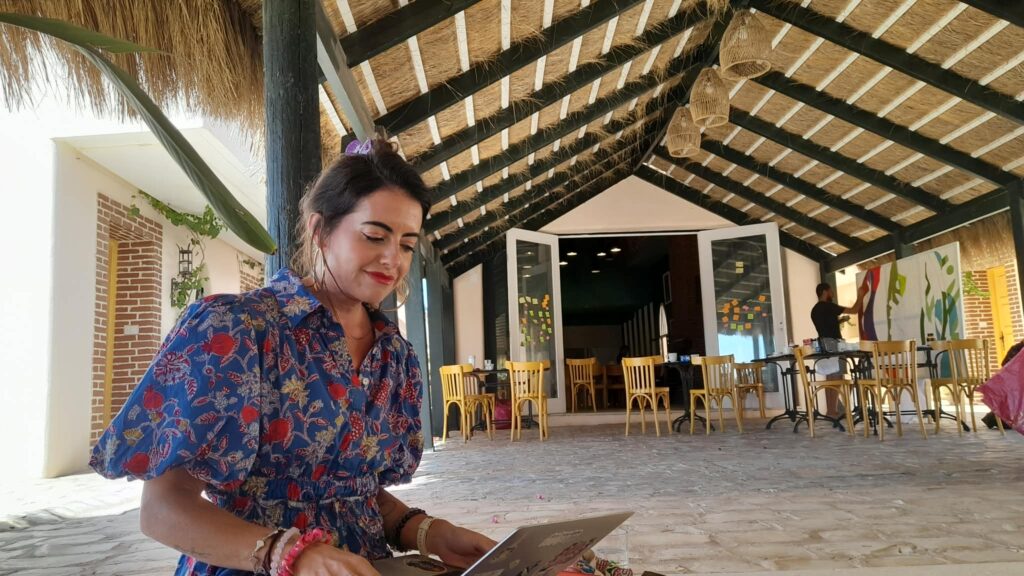
How do you tell the story of your work to the media? How can you tell a story without unnecessarily exposing the people behind it? What should be negotiated before agreeing to be named or photographed? How can artists document their work so that it remains a reliable record — and, when necessary, evidence?
These questions were explored through Bohn’s experience as a journalist who has reported from Tunisia, Afghanistan and across the wider region.
The Power of Passing It On
Mahmood Nisar’s sessions focused on leadership and on the ability to turn individual experience into collective action.
The idea was not simply to participate in a workshop, but to learn how to become an organizer, trainer and facilitator in one’s own right.
Participants worked on building teams, encouraging intergenerational and cross-regional collaboration, and ensuring that a collective can survive beyond the person who founded it.
This may be one of the most important ambitions of the gathering: ensuring that the three days in Tilal Utique do not remain an isolated event.
The final session therefore looked toward the possibility of creating a Tunisian node of the Artivist Shield network, discussing how participants could remain securely connected and what commitments each person would carry forward.
Music Bringing Down Borders
And then there was music.
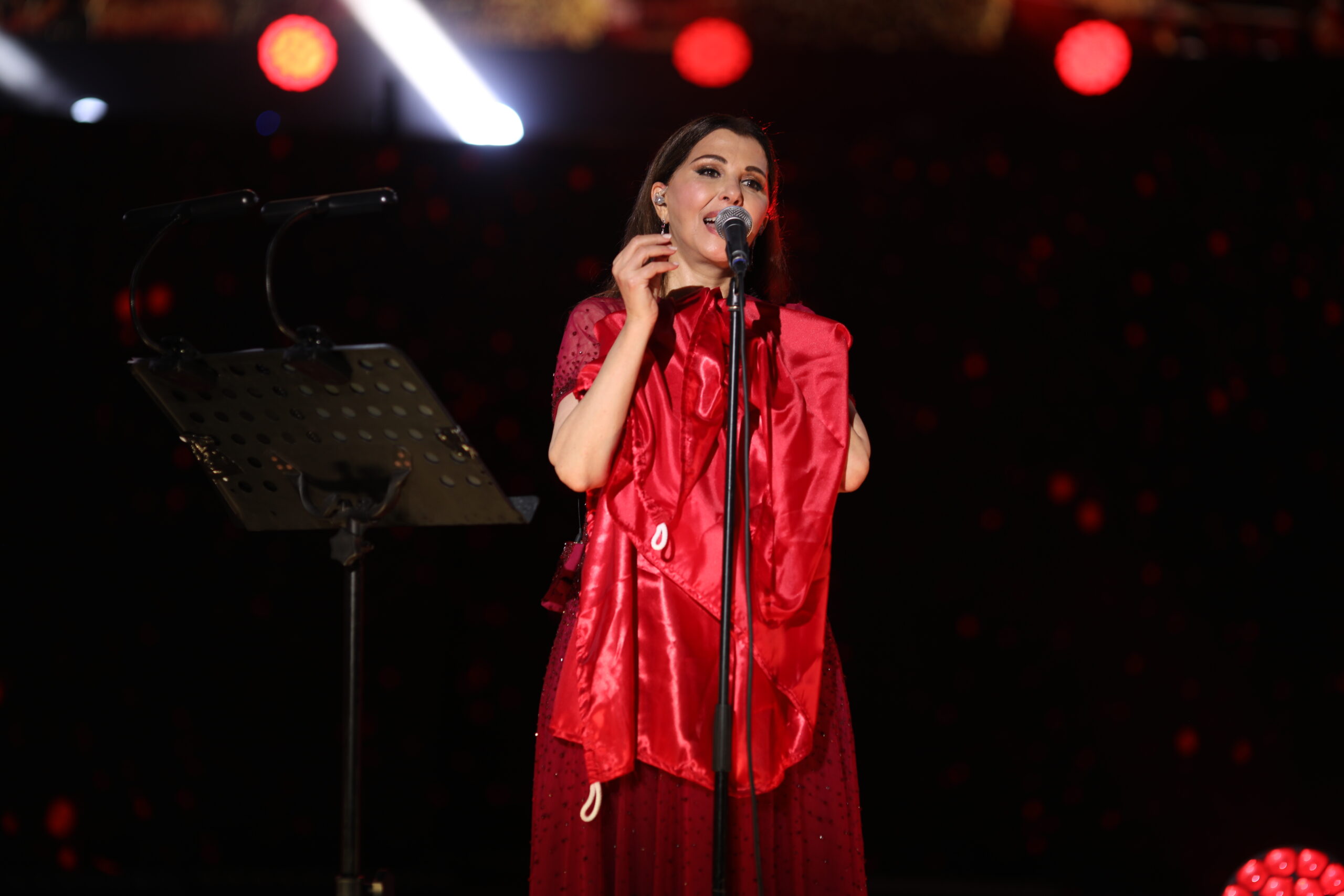
The residency brought together talented Tunisian musicians: violinists, cellists, guitarists, qanun players and opera singers, as well as young Tunisian singer Adam Najjar.
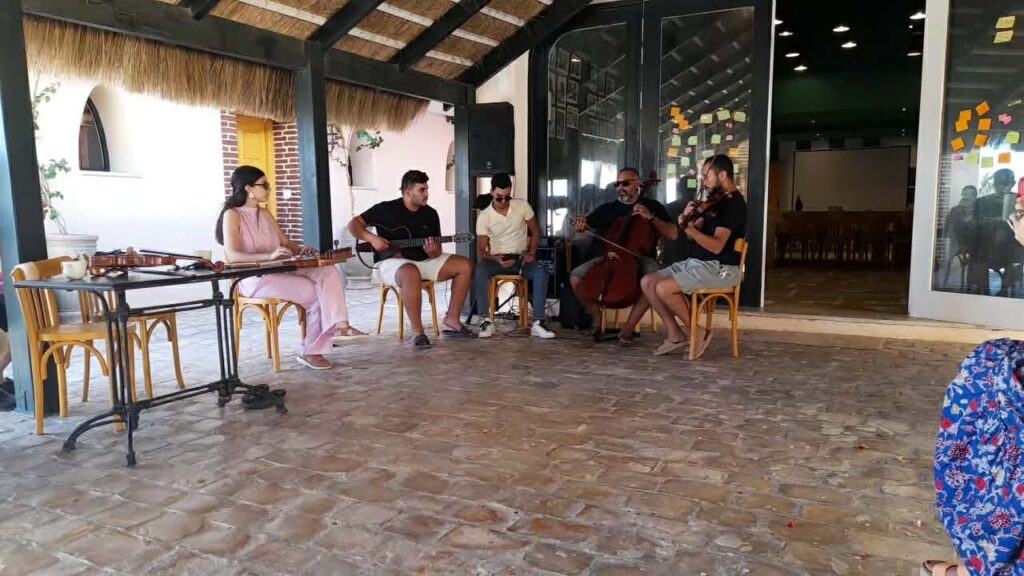
The evenings became moments of sharing, with music, poetry, informal conversations and performances. The programme included an open mic evening dedicated to music, poetry, spoken word and participants’ own work.
The journalists present, including Slim Kacem and Chakib Mahjoub, also presented their work and experiences, leading to passionate discussions about the role of media and creativity in societies facing crisis.
A Meeting in a Very Special Place
The setting itself deserves a mention.
Tilal Utique, created by the Kamel Lazaar Foundation, provided an exceptional environment for the residency: Tunisian architecture blending tradition and contemporary design, overlooking a hillside lake and offering an atmosphere conducive to reflection, creativity and exchange.
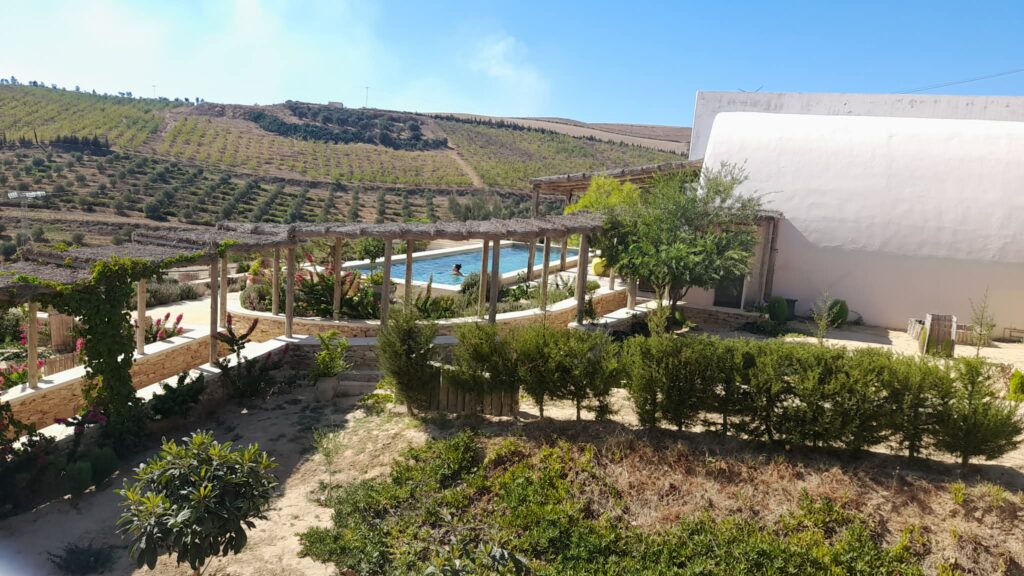
The quality of the hospitality and the care provided by the team contributed greatly to the success of the gathering. Arafet, the ever-smiling Oussema, the kind Nawres, and Kays Zarrouk — sound engineer, cellist and music teacher — all helped make these three days unforgettable.
A Seed Planted in Tilal Utique
Beyond the workshops, the mural, the music and the debates, what will remain above all is the human encounter.
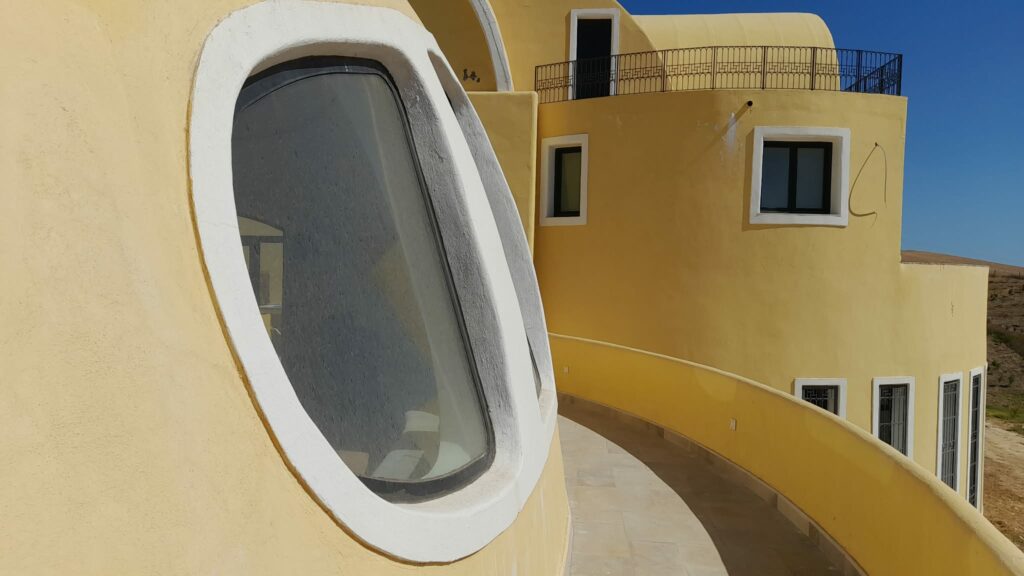
Afghan artists who learned to transform the walls of war into spaces of freedom.
Tunisian artists carrying their own history of cultural resistance, from underground expression before 2011 to graffiti, calligraffiti, rap, theatre, documentary filmmaking and digital satire. The programme deliberately gave Tunisian participants the opportunity to tell this story themselves through a collective timeline of Tunisian creative resistance.
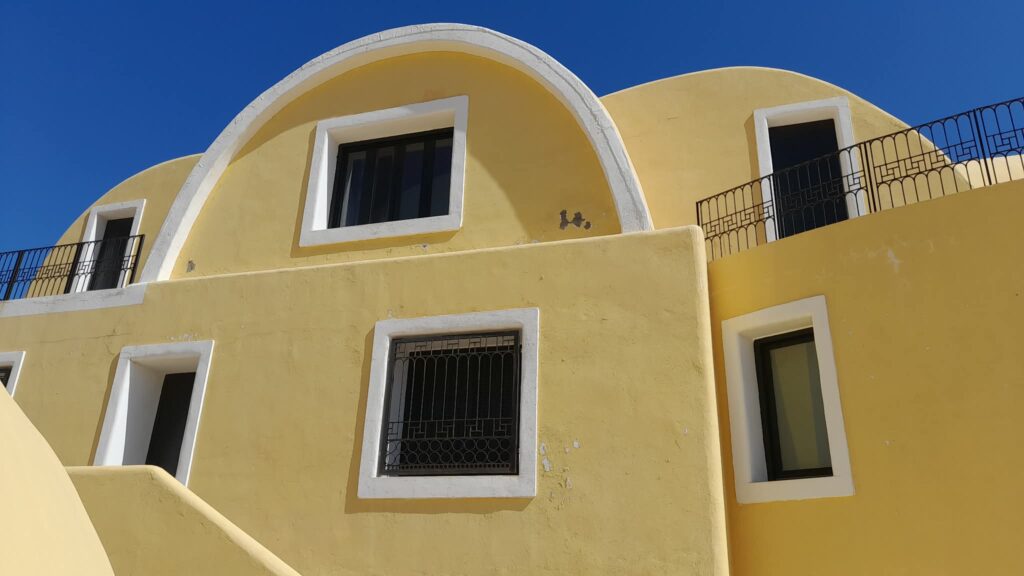
Two experiences meeting in Tilal Utique.
And perhaps the beginning of something larger: an international network where art does not merely represent the world, but seeks to transform it.
Because when walls become borders, art can become a passage.
And when speech is silenced, a painting, a letter, a song or an image can still speak.